


Electronic & Algorithmic Trading
Electronic execution depends on the stack behind the order: OMS, EMS, routing, market access, venue connectivity and algo controls.

Markets & Trading
Best execution is a quantitative obligation: continuous measurement, monitoring and desk controls, evidenced in operation.
Best-execution rules require firms to take all sufficient steps to achieve the best result for clients, and to evidence it. RTS 27 and RTS 28 reporting has been withdrawn, but the obligation has not changed: supervisors expect firms' own monitoring to provide the quantitative evidence behind the policy.
We work with heads of trading, markets COOs and heads of markets compliance at banks, brokers and asset managers to build best execution and desk-side controls you can evidence: the policy and governance, TCA across asset classes feeding back into routing decisions, and the pre-trade limits, fat-finger checks and kill switches that catch erroneous orders before they reach the market. Trade and comms surveillance sits under Risk & Compliance › Trade Surveillance & Market Abuse — this page is execution quality and control at the desk.
We write the best-execution policy and the order-handling and venue-selection governance behind it, then build the monitoring that shows it operating. With RTS 27 and 28 reports withdrawn, the evidence now sits in your own monitoring, exception handling and committee reporting — we build all three.
Transaction cost analysis before, during and after the trade, measured against the benchmarks a head of trading uses, such as implementation shortfall. Findings feed back into broker, routing and venue decisions, and we measure the before-and-after so the improvement is visible.
Pre-trade and at-trade limits, credit checks, fat-finger tolerances and kill switches at the desk, designed with the front office so they work at trading speed. Each control is mapped to the obligation it covers and evidenced in operation.
The order records, decision trails and control attestations that show the framework operating, produced by the systems that run the controls. We built this evidence base under an enforceable undertaking, with every artefact reviewed by an independent expert, and we work to that standard by default.
A Senior Practitioner leads from day one. The first weeks review your best-execution arrangements and desk controls — pre-trade, in-flight and post-trade — and agree a target operating model for the areas where you want help.
We then configure the analytics, integrate the data, build the control and governance workflows, and stay through go-live and hypercare.
Sequenced through assessment and policy design, then TCA and controls build and integration.
Establish the current state, the constraints, the risks and the value at stake.
Shape the target model and the business case with the executives who own the outcome.
Stand up the team, the plan and the governance around the outcome.
Design, build and test the change, with the business alongside.
Cutover, hypercare and handover, so the business runs it under its own control.
The same five stages on every engagement, led by senior practitioners end to end. How we work
6
Asset classes covered by trading-controls programmes delivered
Across the asset classes the desk trades
$50bn+
Cleared derivatives volume monitored for best-execution and trading-control evidence
From the MiFID II trading-controls programme across six asset classes.
Client result
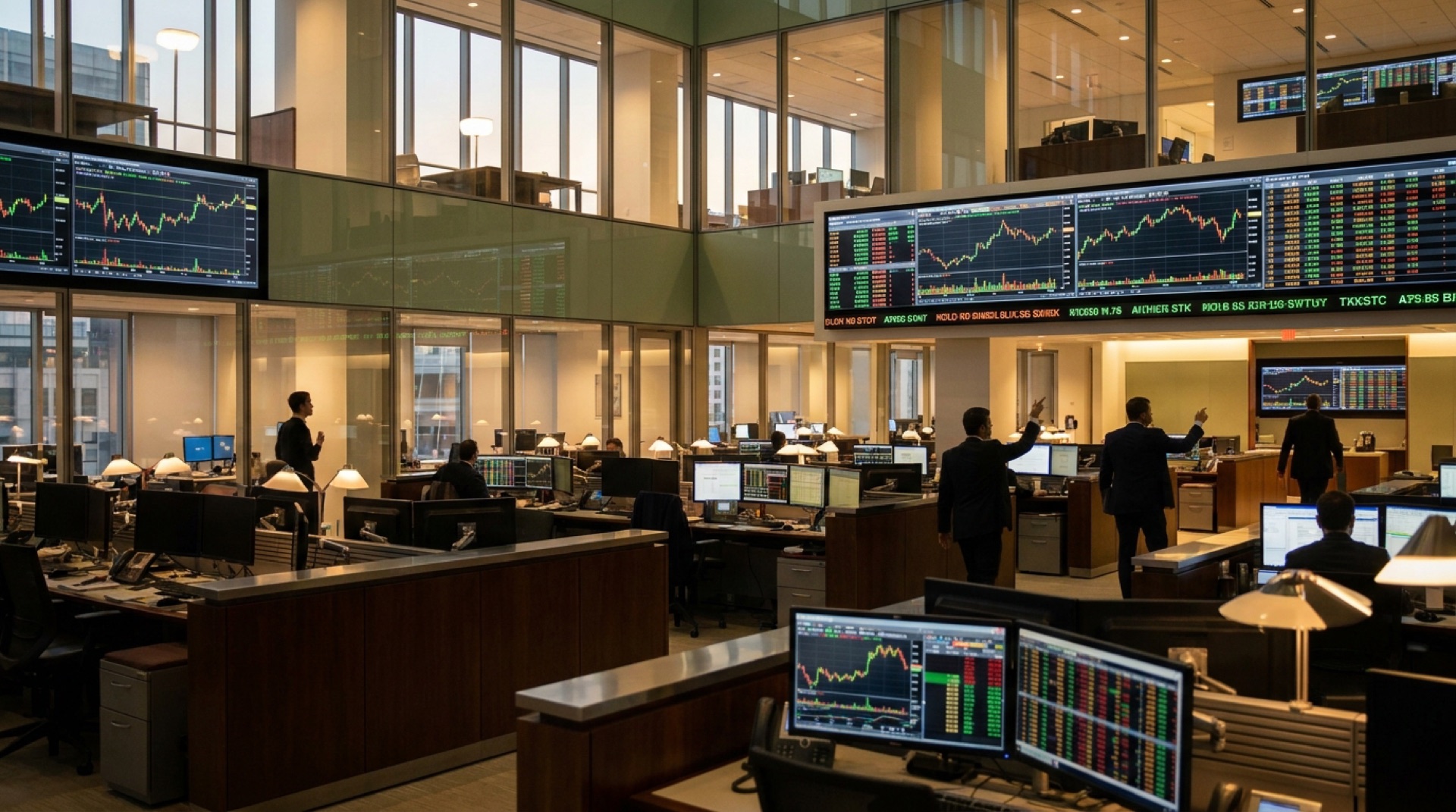
Capital Markets · Regulatory Transformation
Leading Investment Bank · Equities, Derivatives, Commodities, FX, Credit & Rates
We helped deliver trading controls and market infrastructure change across algorithmic trading, direct electronic access, market making, clearing, surveillance and best execution.
Read the case study
Insights
Get in touch
Tell us what needs to change and where the pressure or risk is showing.